
Leading Supplies For Cinder Block Wall Restoration Projects
Explore essential products designed to help you restore and strengthen cinder block walls efficiently and professionally.
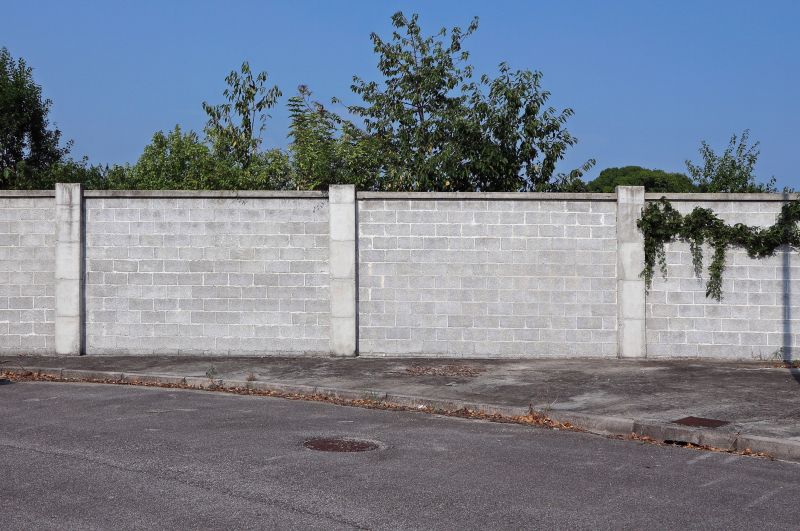 Cinder block wall repairs often require a combination of durable materials and specialized tools to ensure structural integrity and aesthetic consistency. Repair products should be selected based on the type and extent of damage, whether it involves filling cracks, patching holes, or sealing the surface. For minor cracks and surface imperfections, patching compounds and sealants provide an effective solution, offering ease of application and a smooth finish. For more extensive damage, such as large holes or crumbling blocks, mortar mixes and concrete repair products are essential to restore stability.
Types of Products For Cinder Block Wall Repairs
Masonry Crack Filler
Designed specifically for filling cracks and small gaps, these fillers help prevent water intrusion and further deterioration.
Cinder Block Patch Compound
A ready-mix or premixed patch compound tailored for repairing damaged or crumbling cinder blocks.
Hydraulic Cement
A fast-setting cement used for sealing leaks and repairing structural damage in masonry walls.
Mortar Mix
A traditional mortar mix suitable for rebuilding or reinforcing cinder blocks and joints.
Sealants and Waterproof Coatings
Applied after repairs to protect surfaces from moisture and weather-related damage.
Epoxy Injection Kits
Used for structural repairs, these kits help fill voids and bond damaged sections of the wall.
Surface Bonding Agents
Enhance adhesion between old and new masonry materials during repairs.
Grout for Masonry
A fine grout used to fill joints and small gaps in cinder block walls.
Concrete Repair Mix
Suitable for larger structural repairs, blending well with existing concrete surfaces.
Flexible Repair Sealants
Ideal for areas prone to movement, these sealants accommodate shifts without cracking.
Bonding Primer
Prepares surfaces for better adhesion of repair compounds and paint.
Rust Inhibitors
Protect metal reinforcements within the wall from corrosion during repairs.
Popular Choices
Provides a flexible, waterproof barrier for repaired masonry surfaces, suitable for various applications.
A durable, flexible filler ideal for filling cracks and small gaps in cinder block walls.
Eases the repair process with ready-to-use patches that adhere well to existing surfaces.
Effective for sealing leaks and cracks in masonry structures, with quick setting properties.
A comprehensive kit for structural repairs, bonding damaged sections securely.
A protective coating designed to repel water and reduce damage from moisture exposure.
Allows for movement in the wall while maintaining a sealed surface.
Suitable for larger repairs, blending seamlessly with existing concrete structures.
A specialized sealant for filling and sealing masonry joints and gaps.
Ensures the surface is clean and ready for repair products, improving adhesion.
Provides additional structural support during large patch repairs.
Protects metal reinforcements and prevents corrosion within masonry walls.
When choosing repair products, it's important to consider their compatibility with existing cinder block surfaces, as well as their resistance to moisture and temperature variations. Proper surface preparation, including cleaning and priming, enhances adhesion and longevity of the repair materials. Additionally, some products are formulated to match the appearance of the original blocks, helping to maintain the overall look of the wall.
Tools and accessories also play a vital role in successful repairs. Trowels, putty knives, and grout floats are commonly used to apply and smooth repair compounds. Sealants and waterproofing agents can be added afterwards to protect the repaired surface from future damage caused by water infiltration or shifting ground. Investing in quality products and tools ensures a more efficient repair process and a more durable result over time.
Key Buying Considerations
- Assess the extent and type of damage to determine the appropriate repair product.
- Choose products compatible with existing cinder block material for better adhesion.
- Consider whether the repair needs to be waterproof or weather-resistant.
- Evaluate ease of application, especially if DIY repairs are intended.
- Check for products that match the finish of your existing wall if appearance matters.
- Select repair materials with suitable curing times to fit your project timeline.
- Ensure the product is suitable for the location, whether indoor or outdoor use.
- Look for options that accommodate movement or shifting in the structure.
- Consider the longevity and durability of the repair product for long-term results.
- Review safety instructions and handling requirements before purchase.
- Determine if additional tools or accessories are needed for application.
- Opt for products with clear instructions and good user reviews.
- Evaluate the cost-effectiveness based on the size of your repair project.
- Check if the product is suitable for structural as well as cosmetic repairs.
- Consider environmental factors such as temperature and humidity during application.